Buy projectnemesis.eu ?
We are moving the project
projectnemesis.eu .
Are you interested in purchasing the domain
projectnemesis.eu ?
domain@kv-gmbh.de · 0541-91531010
Buy projectnemesis.eu ?
Why is Rutherford's scattering experiment called a scattering experiment at all?
Rutherford's experiment is called a scattering experiment because it involved firing alpha particles at a thin gold foil and observing how they scattered after hitting the foil. The term "scattering" refers to the process of particles being deflected from their original path as a result of collisions with the atoms in the foil. By analyzing the pattern of scattering, Rutherford was able to deduce the structure of the atom and propose the existence of a dense, positively charged nucleus at its center. This experiment was crucial in advancing our understanding of atomic structure and the behavior of subatomic particles. **
What was Rutherford's scattering experiment?
Rutherford's scattering experiment involved firing alpha particles at a thin gold foil and observing their deflection. The experiment aimed to study the structure of the atom and determine how the positive charge is distributed within it. The unexpected results of the experiment led Rutherford to propose the nuclear model of the atom, where he suggested that atoms have a small, dense, positively charged nucleus at their center. This experiment was crucial in advancing our understanding of atomic structure. **


Similar search terms for Scattering
Top-Angebote
Products related to Scattering:
-
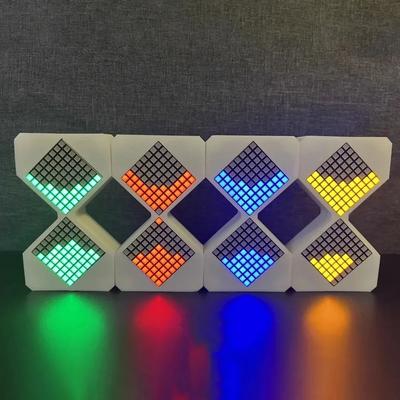
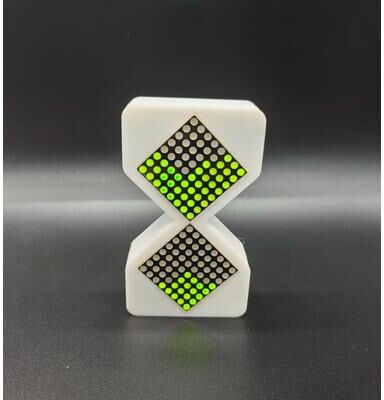
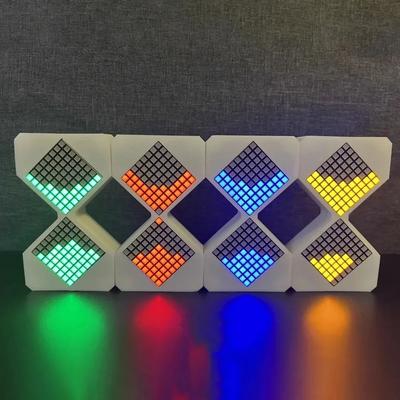
GlowBake DIY Digital Hourglass Birthday Gift Toy For Kids, Cyber Electronic Hourglass With Glow & Tech Style yellowElevate playtime and learning with our DIY Digital Hourglass Birthday Gift Toy a cyber electronic hourglass that merges modern tech style with timeless fun. Designed for kids and families, this electronic hourglass provides hours of educational...59,97 $*Shipping: 0,00 $Secure redirect to the provider
-
Inspire Daily Merch Robotime The Last City Cyberpunk 3D Puzzle Model Futuristic Marble Run Gaming Decoration Gift For Men Automatic the Future CityRobotime Rokr The Last City Futuristic Marble Run 3D Puzzle Model The Robotime Rokr The Last City is an extraordinary futuristic marble run designed for those who appreciate intricate 3D puzzle models. This unique gaming decoration is perfect for...299,97 $*Shipping: 0,00 $Secure redirect to the provider
-
York Wallcoverings Grey Robotics Peel and Stick WallpaperA simple drawing of robotic parts become line art in pattern Robotics. This Robotics Peel & Stick Wallpaper measures approximately 27 inches wide by 20 feet long, covering About 45 square feet per roll.53,99 $*Shipping: 0,00 $Secure redirect to the provider
-
GlowBake DIY Digital Hourglass Birthday Gift Toy For Kids, Cyber Electronic Hourglass With Glow & Tech Style redElevate playtime and learning with our DIY Digital Hourglass Birthday Gift Toy a cyber electronic hourglass that merges modern tech style with timeless fun. Designed for kids and families, this electronic hourglass provides hours of educational...59,97 $*Shipping: 0,00 $Secure redirect to the provider



-
What is the Rutherford scattering experiment?
The Rutherford scattering experiment was conducted by physicist Ernest Rutherford in 1909. In this experiment, Rutherford bombarded a thin gold foil with alpha particles and observed their scattering patterns. The unexpected results of the experiment led to the discovery of the atomic nucleus and the development of the nuclear model of the atom. The experiment showed that most of the alpha particles passed through the foil, but some were deflected at large angles, indicating the presence of a small, dense nucleus within the atom. This experiment revolutionized our understanding of the structure of the atom. **
-
What is the Rutherford scattering with copper?
Rutherford scattering with copper refers to the experiment conducted by Ernest Rutherford in which he bombarded a thin gold foil with alpha particles. The experiment led to the discovery that atoms have a small, dense nucleus at their center, which was a groundbreaking finding in the field of nuclear physics. The use of copper in the experiment is not common, as gold was the metal foil typically used due to its malleability and ability to be made very thin. **
-
What is the difference between reflection and scattering?
Reflection occurs when light bounces off a surface at the same angle it hits it, resulting in a clear image. Scattering, on the other hand, occurs when light is dispersed in different directions by particles or irregularities in a medium, resulting in a diffuse or hazy appearance. In reflection, the light maintains its original intensity and color, while in scattering, the light may lose intensity and change color due to the interaction with the medium. **
-
What causes the photoelectric effect: absorption or scattering?
The photoelectric effect is caused by absorption of photons by electrons in a material, rather than scattering. When a photon with sufficient energy is absorbed by an electron in a material, it can transfer enough energy to the electron to liberate it from the material, causing the photoelectric effect. Scattering, on the other hand, involves the redirection of photons by particles in a material, but it does not result in the ejection of electrons from the material. **
Why is the Rutherford experiment called the scattering experiment?
The Rutherford experiment is called the scattering experiment because it involved firing alpha particles at a thin gold foil and observing how they scattered after hitting the foil. This scattering of alpha particles provided crucial evidence for the existence of a small, dense nucleus within the atom, as most of the alpha particles passed through the foil with little deflection, but a small fraction were scattered at large angles. This unexpected scattering pattern led to the development of the nuclear model of the atom and revolutionized our understanding of atomic structure. **
Can you explain the Rutherford scattering experiment atomic model?
The Rutherford scattering experiment was conducted by physicist Ernest Rutherford in 1909. In this experiment, Rutherford bombarded a thin gold foil with alpha particles and observed their scattering patterns. According to the prevailing atomic model at the time, the plum pudding model, it was expected that the alpha particles would pass through the foil with minimal deflection. However, Rutherford's observations showed that some alpha particles were deflected at large angles, and even some were reflected back. This led to the development of the nuclear model of the atom, in which the atom is mostly empty space with a small, dense nucleus at the center. This experiment provided evidence for the existence of a positively charged nucleus within the atom, leading to a significant shift in our understanding of atomic structure. **
Top-Angebote
Products related to Scattering:
-
Neato Robotics D750 Robot Vacuum CleanerThis Exclusive Package additionally includes: 1x ultimate pet brush, 2x filters, 1x cleaning tool, 1 side brush. Pet hair, dust and allergens that linger in the home are first to go - the exclusive D-Shape design mimics corners of your home for a precise clean that round-shaped robotic vacuums simply can't do. Protect valuable decor, pet bowls or heavy messes by creating "no-go" lines through the app which work as virtual boundaries so that the automatic vacuum knows what objects or areas to avoid. Choose your clean - the Eco option gives a longer, quieter energy-saving clean while Turbo option provides a super-powered cleaning, with maximum hair pickup for a deeper clean. Even with 120 minutes of run time per charge, Charge Time: Up to 150 minutes, the smart vacuum cleaner always goes back to its base to recharge if needed and picks up directly where it left off until the job is done Neato Robotics customer service is available 24/7 on the following number : +44 20 33 18 29 95.406,99 £*Shipping: 0,00 £Secure redirect to the provider
-
York Wallcoverings Beige Robotics Peel and Stick WallpaperA simple drawing of robotic parts become line art in pattern Robotics. This Robotics Peel & Stick Wallpaper measures approximately 27 inches wide by 20 feet long, covering About 45 square feet per roll.59,50 $*Shipping: 0,00 $Secure redirect to the provider
-
GlowBake DIY Digital Hourglass Birthday Gift Toy For Kids, Cyber Electronic Hourglass With Glow & Tech Style yellowElevate playtime and learning with our DIY Digital Hourglass Birthday Gift Toy a cyber electronic hourglass that merges modern tech style with timeless fun. Designed for kids and families, this electronic hourglass provides hours of educational...59,97 $*Shipping: 0,00 $Secure redirect to the provider
-
Inspire Daily Merch Robotime The Last City Cyberpunk 3D Puzzle Model Futuristic Marble Run Gaming Decoration Gift For Men Automatic the Future CityRobotime Rokr The Last City Futuristic Marble Run 3D Puzzle Model The Robotime Rokr The Last City is an extraordinary futuristic marble run designed for those who appreciate intricate 3D puzzle models. This unique gaming decoration is perfect for...299,97 $*Shipping: 0,00 $Secure redirect to the provider
-
Why is Rutherford's scattering experiment called a scattering experiment at all?
Rutherford's experiment is called a scattering experiment because it involved firing alpha particles at a thin gold foil and observing how they scattered after hitting the foil. The term "scattering" refers to the process of particles being deflected from their original path as a result of collisions with the atoms in the foil. By analyzing the pattern of scattering, Rutherford was able to deduce the structure of the atom and propose the existence of a dense, positively charged nucleus at its center. This experiment was crucial in advancing our understanding of atomic structure and the behavior of subatomic particles. **
-
What was Rutherford's scattering experiment?
Rutherford's scattering experiment involved firing alpha particles at a thin gold foil and observing their deflection. The experiment aimed to study the structure of the atom and determine how the positive charge is distributed within it. The unexpected results of the experiment led Rutherford to propose the nuclear model of the atom, where he suggested that atoms have a small, dense, positively charged nucleus at their center. This experiment was crucial in advancing our understanding of atomic structure. **
-
What is the Rutherford scattering experiment?
The Rutherford scattering experiment was conducted by physicist Ernest Rutherford in 1909. In this experiment, Rutherford bombarded a thin gold foil with alpha particles and observed their scattering patterns. The unexpected results of the experiment led to the discovery of the atomic nucleus and the development of the nuclear model of the atom. The experiment showed that most of the alpha particles passed through the foil, but some were deflected at large angles, indicating the presence of a small, dense nucleus within the atom. This experiment revolutionized our understanding of the structure of the atom. **
-
What is the Rutherford scattering with copper?
Rutherford scattering with copper refers to the experiment conducted by Ernest Rutherford in which he bombarded a thin gold foil with alpha particles. The experiment led to the discovery that atoms have a small, dense nucleus at their center, which was a groundbreaking finding in the field of nuclear physics. The use of copper in the experiment is not common, as gold was the metal foil typically used due to its malleability and ability to be made very thin. **
Similar search terms for Scattering
-
York Wallcoverings Grey Robotics Peel and Stick WallpaperA simple drawing of robotic parts become line art in pattern Robotics. This Robotics Peel & Stick Wallpaper measures approximately 27 inches wide by 20 feet long, covering About 45 square feet per roll.53,99 $*Shipping: 0,00 $Secure redirect to the provider
-
GlowBake DIY Digital Hourglass Birthday Gift Toy For Kids, Cyber Electronic Hourglass With Glow & Tech Style redElevate playtime and learning with our DIY Digital Hourglass Birthday Gift Toy a cyber electronic hourglass that merges modern tech style with timeless fun. Designed for kids and families, this electronic hourglass provides hours of educational...59,97 $*Shipping: 0,00 $Secure redirect to the provider
-
GlowBake DIY Digital Hourglass Birthday Gift Toy For Kids, Cyber Electronic Hourglass With Glow & Tech Style greenElevate playtime and learning with our DIY Digital Hourglass Birthday Gift Toy a cyber electronic hourglass that merges modern tech style with timeless fun. Designed for kids and families, this electronic hourglass provides hours of educational...59,97 $*Shipping: 0,00 $Secure redirect to the provider
-
GlowBake DIY Digital Hourglass Birthday Gift Toy For Kids, Cyber Electronic Hourglass With Glow & Tech Style blueElevate playtime and learning with our DIY Digital Hourglass Birthday Gift Toy a cyber electronic hourglass that merges modern tech style with timeless fun. Designed for kids and families, this electronic hourglass provides hours of educational...59,97 $*Shipping: 0,00 $Secure redirect to the provider
-
What is the difference between reflection and scattering?
Reflection occurs when light bounces off a surface at the same angle it hits it, resulting in a clear image. Scattering, on the other hand, occurs when light is dispersed in different directions by particles or irregularities in a medium, resulting in a diffuse or hazy appearance. In reflection, the light maintains its original intensity and color, while in scattering, the light may lose intensity and change color due to the interaction with the medium. **
-
What causes the photoelectric effect: absorption or scattering?
The photoelectric effect is caused by absorption of photons by electrons in a material, rather than scattering. When a photon with sufficient energy is absorbed by an electron in a material, it can transfer enough energy to the electron to liberate it from the material, causing the photoelectric effect. Scattering, on the other hand, involves the redirection of photons by particles in a material, but it does not result in the ejection of electrons from the material. **
-
Why is the Rutherford experiment called the scattering experiment?
The Rutherford experiment is called the scattering experiment because it involved firing alpha particles at a thin gold foil and observing how they scattered after hitting the foil. This scattering of alpha particles provided crucial evidence for the existence of a small, dense nucleus within the atom, as most of the alpha particles passed through the foil with little deflection, but a small fraction were scattered at large angles. This unexpected scattering pattern led to the development of the nuclear model of the atom and revolutionized our understanding of atomic structure. **
-
Can you explain the Rutherford scattering experiment atomic model?
The Rutherford scattering experiment was conducted by physicist Ernest Rutherford in 1909. In this experiment, Rutherford bombarded a thin gold foil with alpha particles and observed their scattering patterns. According to the prevailing atomic model at the time, the plum pudding model, it was expected that the alpha particles would pass through the foil with minimal deflection. However, Rutherford's observations showed that some alpha particles were deflected at large angles, and even some were reflected back. This led to the development of the nuclear model of the atom, in which the atom is mostly empty space with a small, dense nucleus at the center. This experiment provided evidence for the existence of a positively charged nucleus within the atom, leading to a significant shift in our understanding of atomic structure. **
* All prices are inclusive of VAT and, if applicable, plus shipping costs. The offer information is based on the details provided by the respective shop and is updated through automated processes. Real-time updates do not occur, so deviations can occur in individual cases. ** Note: Parts of this content were created by AI.