Buy projectnemesis.eu ?
We are moving the project
projectnemesis.eu .
Are you interested in purchasing the domain
projectnemesis.eu ?
domain@kv-gmbh.de · 0541-91531010
Buy projectnemesis.eu ?
What distinguishes conditional probability from independent probability?
Conditional probability is the probability of an event occurring given that another event has already occurred. It takes into account the information about the occurrence of one event when calculating the probability of another event. Independent probability, on the other hand, is the probability of one event occurring without any influence from the occurrence of another event. In other words, conditional probability is influenced by the occurrence of a specific event, while independent probability is not influenced by any other event. **
What is a probability space in probability theory?
A probability space in probability theory consists of three components: a sample space, an event space, and a probability measure. The sample space is the set of all possible outcomes of an experiment, the event space is a collection of subsets of the sample space representing different events, and the probability measure assigns a probability to each event in the event space. Together, these components define the mathematical framework for analyzing the likelihood of different outcomes in a probabilistic setting. **

Similar search terms for Probability
Top-Angebote
Products related to Probability:
-
HARPERCOLLINS Creative Confidence by Tom & David Kelley – Unleashing Your Creative Potential & Innovation MindsetA powerful and inspiring book from the founders of IDEO, the award-winning design firm, on unleashing the creativity that lies within each and every one of us. Too often, companies and individuals assume that creativity and innovation are the domain of the ‘creative types’. But two of the foremost experts in innovation, design and creativity on the planet show us that each and every one of us is creative. In an entertaining and inspiring narrative that draws on countless stories from their work at IDEO, and with many of the world's top companies and design firms, David and Tom Kelley identify the principles and strategies that will allow us to tap into our creative potential in our work lives, and in our personal lives, allow us to think outside the box in terms of how we approach and solve problems. ‘Creative Confidence’ is a book that will help each of us be more productive and successful in our lives and in our careers.4,95 £*Shipping: 1,99 £Secure redirect to the provider
-
Inspire Daily Merch Robotime The Last City Cyberpunk 3D Puzzle Model Futuristic Marble Run Gaming Decoration Gift For Men Automatic hip Hop StreetRobotime Rokr The Last City Futuristic Marble Run 3D Puzzle Model The Robotime Rokr The Last City is an extraordinary futuristic marble run designed for those who appreciate intricate 3D puzzle models. This unique gaming decoration is perfect for...299,97 $*Shipping: 0,00 $Secure redirect to the provider
-
York Wallcoverings Grey Robotics Peel and Stick WallpaperA simple drawing of robotic parts become line art in pattern Robotics. This Robotics Peel & Stick Wallpaper measures approximately 27 inches wide by 20 feet long, covering About 45 square feet per roll.53,99 $*Shipping: 0,00 $Secure redirect to the provider
-
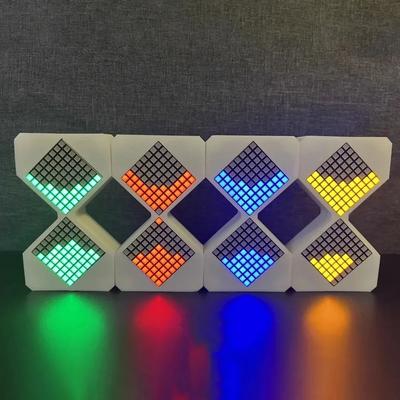
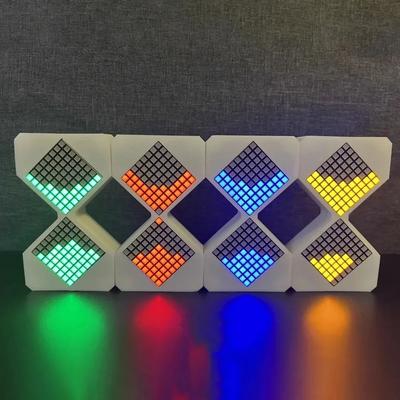
GlowBake DIY Digital Hourglass Birthday Gift Toy For Kids, Cyber Electronic Hourglass With Glow & Tech Style blueElevate playtime and learning with our DIY Digital Hourglass Birthday Gift Toy a cyber electronic hourglass that merges modern tech style with timeless fun. Designed for kids and families, this electronic hourglass provides hours of educational...59,97 $*Shipping: 0,00 $Secure redirect to the provider



-
What are the rules of probability in probability theory?
In probability theory, the rules of probability govern how probabilities are calculated and combined. The rules include the addition rule, which states that the probability of either of two mutually exclusive events occurring is the sum of their individual probabilities. The multiplication rule is used to calculate the probability of two independent events both occurring. Additionally, the complement rule states that the probability of an event not occurring is 1 minus the probability of the event occurring. These rules are fundamental in determining the likelihood of different outcomes in various situations. **
-
What is the probability in percent in probability theory?
In probability theory, the probability of an event is a measure of the likelihood that the event will occur. It is usually expressed as a number between 0 and 1, or as a percentage between 0% and 100%. A probability of 0% means the event is impossible, while a probability of 100% means the event is certain to occur. The probability of an event can be calculated using various methods, such as counting outcomes, using probability distributions, or applying statistical techniques. **
-
How do you correctly calculate probability in probability theory?
In probability theory, the probability of an event occurring is calculated by dividing the number of favorable outcomes by the total number of possible outcomes. This can be represented as P(A) = (Number of favorable outcomes) / (Total number of possible outcomes). It is important to ensure that all possible outcomes are accounted for and that the favorable outcomes are correctly identified. Additionally, the probability of multiple events occurring can be calculated using the multiplication rule for independent events or the addition rule for mutually exclusive events. **
-
With what probability?
With what probability? The probability of an event occurring is a measure of how likely it is to happen, expressed as a number between 0 and 1. The probability of an event that is certain to happen is 1, while the probability of an event that is impossible is 0. Probabilities between 0 and 1 indicate the likelihood of an event occurring, with higher probabilities indicating a greater likelihood. **

What is the probability of a die in probability theory?
In probability theory, the probability of a die refers to the likelihood of a specific outcome occurring when rolling a fair six-sided die. Since there are six possible outcomes (numbers 1 through 6) and each outcome has an equal chance of occurring, the probability of rolling any specific number is 1/6 or approximately 16.67%. This means that when rolling a fair die, the probability of rolling any particular number is 1 out of 6. **
What is the expected value and probability in probability theory?
In probability theory, the expected value is a measure of the central tendency of a random variable. It represents the average value of a random variable over a large number of trials. The expected value is calculated by multiplying each possible outcome by its probability and then summing up these products. Probability, on the other hand, is a measure of the likelihood of a particular event or outcome occurring. It represents the ratio of the number of favorable outcomes to the total number of possible outcomes. Probability theory is used to analyze and predict the likelihood of different outcomes in various situations. **
Top-Angebote
Products related to Probability:
-
York Wallcoverings Beige Robotics Peel and Stick WallpaperA simple drawing of robotic parts become line art in pattern Robotics. This Robotics Peel & Stick Wallpaper measures approximately 27 inches wide by 20 feet long, covering About 45 square feet per roll.59,50 $*Shipping: 0,00 $Secure redirect to the provider
-
GlowBake DIY Digital Hourglass Birthday Gift Toy For Kids, Cyber Electronic Hourglass With Glow & Tech Style yellowElevate playtime and learning with our DIY Digital Hourglass Birthday Gift Toy a cyber electronic hourglass that merges modern tech style with timeless fun. Designed for kids and families, this electronic hourglass provides hours of educational...59,97 $*Shipping: 0,00 $Secure redirect to the provider
-
HARPERCOLLINS Creative Confidence by Tom & David Kelley – Unleashing Your Creative Potential & Innovation MindsetA powerful and inspiring book from the founders of IDEO, the award-winning design firm, on unleashing the creativity that lies within each and every one of us. Too often, companies and individuals assume that creativity and innovation are the domain of the ‘creative types’. But two of the foremost experts in innovation, design and creativity on the planet show us that each and every one of us is creative. In an entertaining and inspiring narrative that draws on countless stories from their work at IDEO, and with many of the world's top companies and design firms, David and Tom Kelley identify the principles and strategies that will allow us to tap into our creative potential in our work lives, and in our personal lives, allow us to think outside the box in terms of how we approach and solve problems. ‘Creative Confidence’ is a book that will help each of us be more productive and successful in our lives and in our careers.4,95 £*Shipping: 1,99 £Secure redirect to the provider
-
Inspire Daily Merch Robotime The Last City Cyberpunk 3D Puzzle Model Futuristic Marble Run Gaming Decoration Gift For Men Automatic hip Hop StreetRobotime Rokr The Last City Futuristic Marble Run 3D Puzzle Model The Robotime Rokr The Last City is an extraordinary futuristic marble run designed for those who appreciate intricate 3D puzzle models. This unique gaming decoration is perfect for...299,97 $*Shipping: 0,00 $Secure redirect to the provider
-
What distinguishes conditional probability from independent probability?
Conditional probability is the probability of an event occurring given that another event has already occurred. It takes into account the information about the occurrence of one event when calculating the probability of another event. Independent probability, on the other hand, is the probability of one event occurring without any influence from the occurrence of another event. In other words, conditional probability is influenced by the occurrence of a specific event, while independent probability is not influenced by any other event. **
-
What is a probability space in probability theory?
A probability space in probability theory consists of three components: a sample space, an event space, and a probability measure. The sample space is the set of all possible outcomes of an experiment, the event space is a collection of subsets of the sample space representing different events, and the probability measure assigns a probability to each event in the event space. Together, these components define the mathematical framework for analyzing the likelihood of different outcomes in a probabilistic setting. **
-
What are the rules of probability in probability theory?
In probability theory, the rules of probability govern how probabilities are calculated and combined. The rules include the addition rule, which states that the probability of either of two mutually exclusive events occurring is the sum of their individual probabilities. The multiplication rule is used to calculate the probability of two independent events both occurring. Additionally, the complement rule states that the probability of an event not occurring is 1 minus the probability of the event occurring. These rules are fundamental in determining the likelihood of different outcomes in various situations. **
-
What is the probability in percent in probability theory?
In probability theory, the probability of an event is a measure of the likelihood that the event will occur. It is usually expressed as a number between 0 and 1, or as a percentage between 0% and 100%. A probability of 0% means the event is impossible, while a probability of 100% means the event is certain to occur. The probability of an event can be calculated using various methods, such as counting outcomes, using probability distributions, or applying statistical techniques. **
Similar search terms for Probability
-
York Wallcoverings Grey Robotics Peel and Stick WallpaperA simple drawing of robotic parts become line art in pattern Robotics. This Robotics Peel & Stick Wallpaper measures approximately 27 inches wide by 20 feet long, covering About 45 square feet per roll.53,99 $*Shipping: 0,00 $Secure redirect to the provider
-
GlowBake DIY Digital Hourglass Birthday Gift Toy For Kids, Cyber Electronic Hourglass With Glow & Tech Style blueElevate playtime and learning with our DIY Digital Hourglass Birthday Gift Toy a cyber electronic hourglass that merges modern tech style with timeless fun. Designed for kids and families, this electronic hourglass provides hours of educational...59,97 $*Shipping: 0,00 $Secure redirect to the provider
-
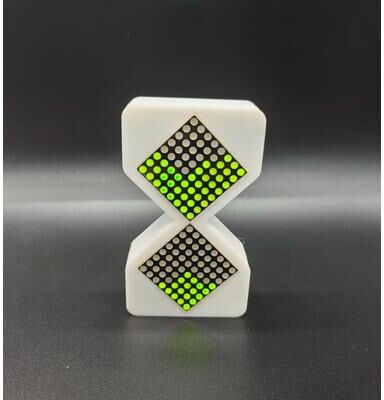
GlowBake DIY Digital Hourglass Birthday Gift Toy For Kids, Cyber Electronic Hourglass With Glow & Tech Style greenElevate playtime and learning with our DIY Digital Hourglass Birthday Gift Toy a cyber electronic hourglass that merges modern tech style with timeless fun. Designed for kids and families, this electronic hourglass provides hours of educational...59,97 $*Shipping: 0,00 $Secure redirect to the provider
-
GlowBake DIY Digital Hourglass Birthday Gift Toy For Kids, Cyber Electronic Hourglass With Glow & Tech Style redElevate playtime and learning with our DIY Digital Hourglass Birthday Gift Toy a cyber electronic hourglass that merges modern tech style with timeless fun. Designed for kids and families, this electronic hourglass provides hours of educational...59,97 $*Shipping: 0,00 $Secure redirect to the provider
-
How do you correctly calculate probability in probability theory?
In probability theory, the probability of an event occurring is calculated by dividing the number of favorable outcomes by the total number of possible outcomes. This can be represented as P(A) = (Number of favorable outcomes) / (Total number of possible outcomes). It is important to ensure that all possible outcomes are accounted for and that the favorable outcomes are correctly identified. Additionally, the probability of multiple events occurring can be calculated using the multiplication rule for independent events or the addition rule for mutually exclusive events. **
-
With what probability?
With what probability? The probability of an event occurring is a measure of how likely it is to happen, expressed as a number between 0 and 1. The probability of an event that is certain to happen is 1, while the probability of an event that is impossible is 0. Probabilities between 0 and 1 indicate the likelihood of an event occurring, with higher probabilities indicating a greater likelihood. **
-
What is the probability of a die in probability theory?
In probability theory, the probability of a die refers to the likelihood of a specific outcome occurring when rolling a fair six-sided die. Since there are six possible outcomes (numbers 1 through 6) and each outcome has an equal chance of occurring, the probability of rolling any specific number is 1/6 or approximately 16.67%. This means that when rolling a fair die, the probability of rolling any particular number is 1 out of 6. **
-
What is the expected value and probability in probability theory?
In probability theory, the expected value is a measure of the central tendency of a random variable. It represents the average value of a random variable over a large number of trials. The expected value is calculated by multiplying each possible outcome by its probability and then summing up these products. Probability, on the other hand, is a measure of the likelihood of a particular event or outcome occurring. It represents the ratio of the number of favorable outcomes to the total number of possible outcomes. Probability theory is used to analyze and predict the likelihood of different outcomes in various situations. **
* All prices are inclusive of VAT and, if applicable, plus shipping costs. The offer information is based on the details provided by the respective shop and is updated through automated processes. Real-time updates do not occur, so deviations can occur in individual cases. ** Note: Parts of this content were created by AI.